🌴VisitMiami.city
Is Miami Safe for Tourists? Safety Guide + Neighborhoods to Know
Travel Tips

Is Miami Safe for Tourists? Safety Guide + Neighborhoods to Know

Apr 11, 20268 min read

Short answer: Yes, Miami is safe for tourists in the neighborhoods you're most likely to visit β€” South Beach, Brickell, Wynwood, Coconut Grove, Coral Gables, and Key Biscayne. Violent crime is concentrated in specific areas most visitors have no reason to enter, and the risks you'll actually face are petty (theft from cars, tourist scams, drunk-driving accidents after clubs close) rather than dangerous.

That said, Miami is a big city with real edges. Here's an honest, local-informed guide to staying safe β€” including the neighborhoods to skip, the scams to watch, and the practical habits that make the difference.

πŸ—ΊοΈ Safest Miami Neighborhoods for Tourists
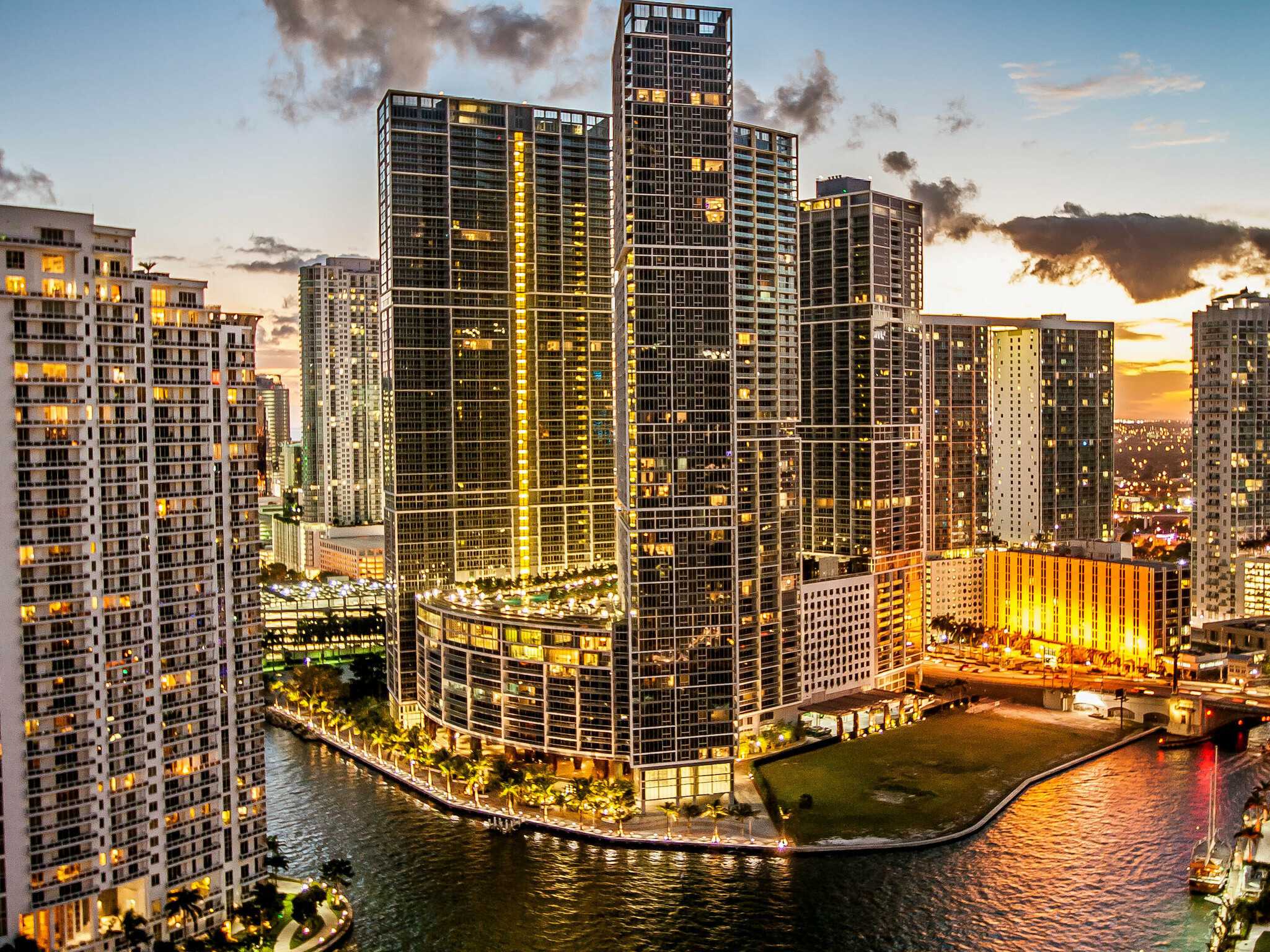
Brickell skyline and high-rise condos in Miami at dusk

These are the neighborhoods where nearly all tourists stay and where walking around at night is generally fine:

  • South Beach β€” Heavily policed, busy 24/7, well-lit. Main risks are pickpockets in bar crowds and scams near the beach (see below).
  • Brickell β€” Modern high-rise financial district. Probably Miami's safest tourist neighborhood. Great for first-time visitors who want restaurants and nightlife without the South Beach chaos.
  • Mid-Beach β€” Quieter than South Beach, mostly residential and hotels. Very safe.
  • Coconut Grove β€” Walkable, leafy, family-friendly. Low crime.
  • Coral Gables β€” Upscale residential. Extremely safe; feels more like Palm Beach than Miami.
  • Key Biscayne β€” Island community with its own police. Very safe; great for families. See our Key Biscayne guide.
  • Wynwood β€” Safe during the day and on evenings when galleries and bars are open. Becomes quieter and less populated after midnight; use a rideshare after 11 PM.
  • Design District & Midtown β€” Safe, high-end retail and dining area.
  • Little Havana β€” Safe during the day, especially along Calle Ocho. Quieter at night but not dangerous. See our Little Havana guide.
  • ⚠️ Neighborhoods to Avoid as a Tourist

    These areas have higher crime rates and essentially zero tourist attractions. No need to visit:

  • Liberty City β€” Historic neighborhood with significant poverty and crime statistics. No reason for tourists to go.
  • Overtown (most of it) β€” Immediately northwest of downtown. Improving in pockets, but still not a place to wander unfamiliar.
  • Opa-Locka β€” Northern suburb with persistent crime issues.
  • Little Haiti after dark β€” Vibrant and worth visiting during the day for food and culture, but use rideshare and avoid wandering side streets at night.
  • North Miami & parts of Allapattah β€” Mixed areas; fine for a specific restaurant stop but not for walking around.
  • A simple rule: if Google Maps rerouted you off I-95 or the 836 and dropped you on an unfamiliar surface street, don't stop. Lock your doors and keep driving until you're back on a main road.

    🎣 Common Miami Tourist Scams

    Beach chair & umbrella scams (South Beach)

    Vendors rent chairs and umbrellas on the sand. The going rate is about $25–$35 for two chairs and an umbrella. Confirm the price before you sit down, and pay only at the end. Some vendors quote one price, then add fees when you're ready to leave. Pay cash and count it.

    Club door price switches

    You'll be quoted "no cover" by a promoter on the sidewalk, then told at the door the cover is $40–$80. Or the bottle price on the menu doesn't match what hits your card. Always check the final bill before signing. Clubs are legally required to present an itemized bill in Florida β€” ask for it.

    Taxi airport overcharges

    Miami International Airport has a flat-rate zone system for taxis ($27 to South Beach as of 2026). If a driver tries to use the meter or quote a higher "fixed" price, refuse. Uber and Lyft are usually cheaper. See our Miami airport guide.

    Jet ski "damage" claims

    Rental operator rents you a jet ski, then claims you scratched the hull when you return it and demands $300–$1,000. Photograph the jet ski all around before taking it out. Use reputable operators; see our water sports guide.

    Fake parking attendants

    Random people in reflective vests offering to "park your car" for $20 near popular areas. They're not legitimate valets. Use official garages or metered street parking and pay the ParkMobile app.

    Ocean Drive bottle scams

    A few notorious Ocean Drive restaurants have been caught adding a $60 "bottle of water" to tabs or charging $100 for entrees listed at $30. Read the menu carefully β€” including the fine print on mandatory service charges β€” and pay with a credit card (easier to dispute).

    πŸš— Car & Parking Safety

    The single most common tourist crime in Miami is theft from rental cars. Rules:

  • Never leave anything visible. Not even a phone charger or empty shopping bag. Trunk everything before you arrive at the destination.
  • Don't leave valuables in the trunk at the beach. Thieves watch parking lots. Move items to trunk at a gas station or earlier stop.
  • Park in lit, populated garages. Garages in Brickell, South Beach, and Coconut Grove are safe; avoid empty surface lots in unfamiliar areas at night.
  • Rental cars are targeted. Avoid rental stickers if possible; some agencies let you request a car without visible branding.
  • For getting around without a car, see our Miami transportation guide.

    🌊 Beach & Water Safety
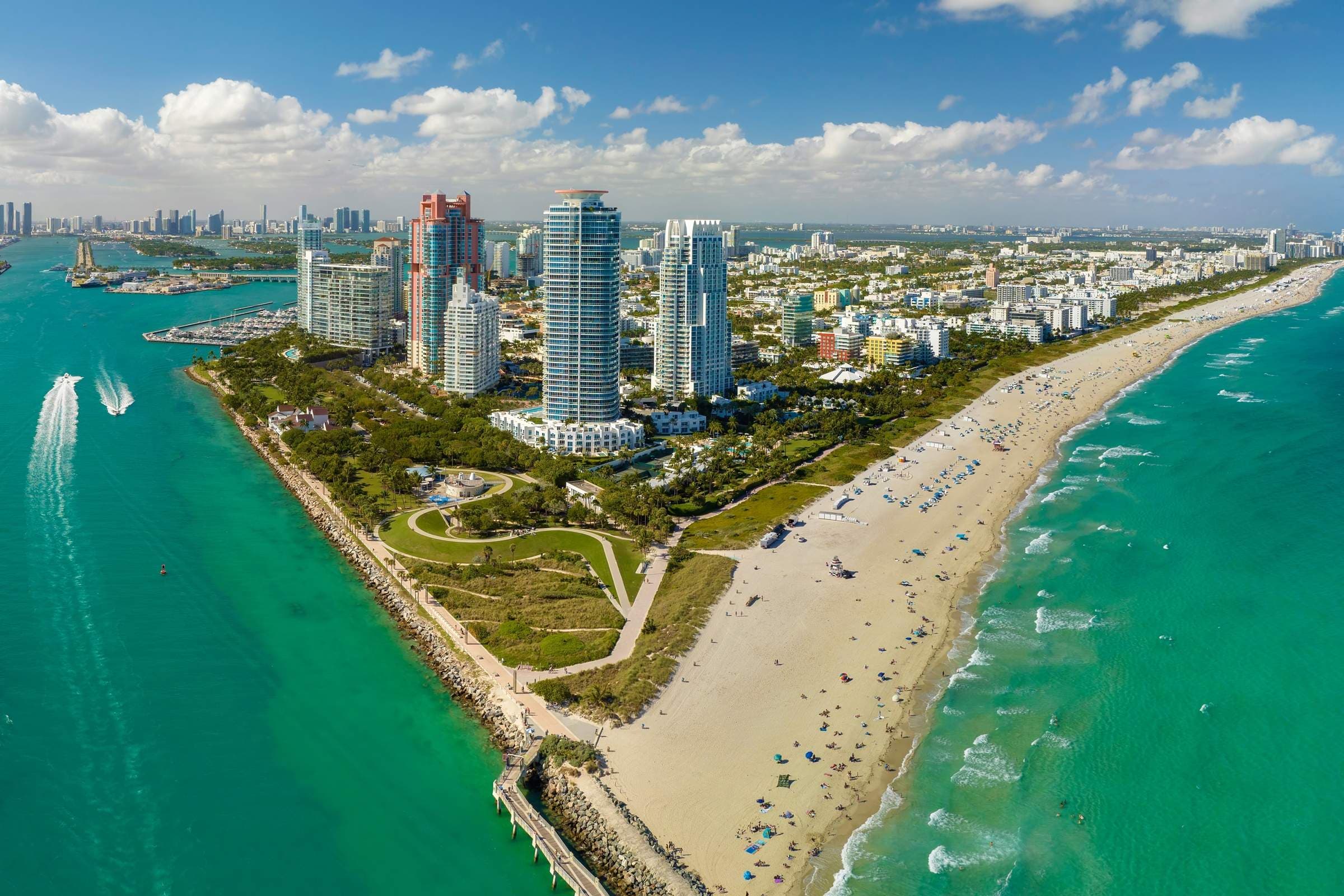
    Miami Beach lifeguard tower and shoreline
  • Swim at lifeguarded beaches. Miami Beach has lifeguards roughly 9 AM–7 PM on the main stretches. Rip currents are real; follow the flags.
  • Red flag = no swimming. Double red means closed. Purple flag = jellyfish/dangerous marine life.
  • Don't swim at night. Limited visibility, no lifeguards, and surprisingly strong currents after dark.
  • Watch for jellyfish season (May–August). A sting isn't serious but it'll end your beach day.
  • Do not touch marine life. Manatees are protected; touching one is a federal offense.
  • πŸŒƒ Nightlife Safety

  • Use rideshare. Do not drive after drinking β€” Miami-Dade DUI enforcement is aggressive and hotels often cost less than the fine.
  • Watch your drink. Drink spiking happens in any city with a big club scene. Don't leave drinks unattended; don't accept open drinks from strangers.
  • Club closing time. Clubs close between 3 and 5 AM. The blocks around major clubs get chaotic as everyone empties out at once. Have your rideshare waiting or walk directly to a main street and hail from there.
  • Cash for tips, not expenses. Carry enough cash for tips and incidentals but put cards and the bulk of your cash in a separate location (hotel safe).
  • πŸŒ€ Weather Safety

  • Hurricane season is June 1 – November 30. Peak risk is late August through October. Track the NHC forecast if traveling then.
  • Afternoon thunderstorms are normal May–October. They pass quickly. Lightning, however, is serious β€” Florida has more lightning strikes than any other state. Get off the beach when you hear thunder.
  • Sun is intense year-round. SPF 30 minimum, reapply every 2 hours. See our Miami weather packing guide.
  • πŸš“ Emergency & Practical Info

  • Emergency: 911 (police, fire, medical)
  • Non-emergency Miami Beach PD: (305) 673-7900
  • Non-emergency Miami PD: (305) 476-5423
  • Tourist-oriented help: The Miami Beach Tourist Oriented Police has officers who speak multiple languages and regularly patrol Ocean Drive and Collins.
  • Hospitals: Mount Sinai (Miami Beach), Jackson Memorial (near downtown), Baptist Hospital (South Miami). All take visitor insurance.
  • πŸ‘œ Anti-Theft Habits That Actually Work

  • Crossbody bag worn in front in any crowd, especially clubs and Ocean Drive.
  • Phone in front pocket, not back pocket, and not on the bar.
  • Wallet in front pocket or money belt under clothes for larger amounts of cash.
  • Apple/Android wallet instead of card at bars β€” harder to skim, easier to lock if phone is lost.
  • Photo your passport and upload to cloud before traveling. If it's stolen you can prove identity to the consulate faster.
  • Don't leave phones on beach chairs while swimming. Most beach theft is opportunistic.
  • πŸ‘¨β€πŸ‘©β€πŸ‘§β€πŸ‘¦ Is Miami Safe for Families?

    Yes β€” especially Coral Gables, Key Biscayne, Coconut Grove, Mid-Beach, and Brickell. South Beach is fine during the day but has a heavy party atmosphere at night that isn't ideal with young kids. See our family-friendly Miami guide for kid-focused neighborhoods and attractions.

    πŸ³οΈβ€πŸŒˆ Is Miami Safe for Solo Female Travelers?

    Yes, with the normal big-city precautions. South Beach, Brickell, and Coral Gables are well-lit and busy. Rideshare instead of walking long distances at night. The clubs are safe to go to solo but stick to hotel bars or the more upscale venues (Sugar, Sparrow, Area 31) rather than spring-break-style Ocean Drive spots if you want a calmer vibe.

    πŸ³οΈβ€πŸŒˆ Is Miami LGBTQ+-Friendly?

    Very. South Beach is historically one of the most LGBTQ+-welcoming neighborhoods in the US, with a visible community and events throughout the year (Miami Beach Pride in April, Winter Party Festival). All major hotels and restaurants are welcoming.


    Miami gets a rough reputation from reality TV and crime dramas, but millions of tourists visit every year without incident. Stay out of the one or two neighborhoods that have nothing to offer you anyway, don't leave your laptop on the passenger seat, don't let a club tack on $400 in mystery charges β€” and you'll have an incredible trip.

    Planning the rest: pick a safe neighborhood to stay in, sort out how to get around, and start with our 3-day itinerary to hit the highlights efficiently.

    Share this article

    Planning a Trip to Miami?

    Explore our complete guides to Miami's best beaches, restaurants, nightlife, and hotels.